By Monika
How to Plan Your First Trip to Iceland: Tips for 1-st Time Visitors.
Planning your first trip to Iceland?
Feeling overwhelmed by the planning process and all the questions that need answering? What’s the best time to go? Where to stay? What to see? What to pack? What kind of car to rent?
I completely understand! I went through that myself when I was planning my first visit.
If trying to answer these questions seems like a daunting task and is preventing you from getting started, you’re in the right place
I’ve put together this article to give you a comprehensive list of helpful things to know before you go and tips to help you get the most out of your stay in Iceland.
So – follow this guide and start planning your adventure!
This post contains affiliate links to trusted products and services that I use and love myself. If you make a purchase through these links, I may receive compensation at NO EXTRA COST TO YOU. I appreciate your support! Also, as an Amazon Associate I earn from qualifying purchases. See the Disclaimer Policy and the Privacy Policy for more details.
- Basic information:
- Best time to go to Iceland:
- Entry and passport requirements
- Tired after the flight – now what?
- Getting around Iceland:
- Guided tours
- Where to stay in Iceland:
- Grocery shopping in Iceland
- Can I bring food to Iceland?
- How to pack for Iceland?
- VAT tax refund
- Travel Insurance
- Cell phone coverage
- Other useful tips for your Iceland adventure
- Helpful safety websites:
Basic information:
- Language: Icelandic, but English is widely spoken
- Currency in Iceland is the Icelandic Krona (ISK). Credit cards are widely accepted, however it’s good to have some cash if you’re visiting more remote areas.
Helpful hint: make sure to have at least one credit/debit cards with a 4-digit PIN – you may need it at some unmanned gas pumps.
- Voltage in Iceland is 220V, so if your home country’s is different (for example 110V in the US), you will need a travel plug adapter. Most chargers for cell phones and laptop are already compatible with multiple voltage, but if you’re planning on bringing things like a hair dryer etc., you may want to look for a dual voltage model.
Check my packing list for travel adapters and other helpful things to make your trip preparation hassle-free!
- Date is written in dd/mm/yyyy format so keep that in mind when filling out forms (like car rental agreements etc.)
- Driving is on the right side of the road.
READ MORE: Driving in Iceland – Essential Tips for a Great Road Trip.
Best time to go to Iceland:
I don’t think there is ever a bad time to visit this beautiful country, however each season has its pros and cons, or rather things to consider. It all depends on what your “must-see” is for the trip, as some attractions can only be experienced at certain times of the year (like Northern Lights, ice caves or access to the interior Highlands)
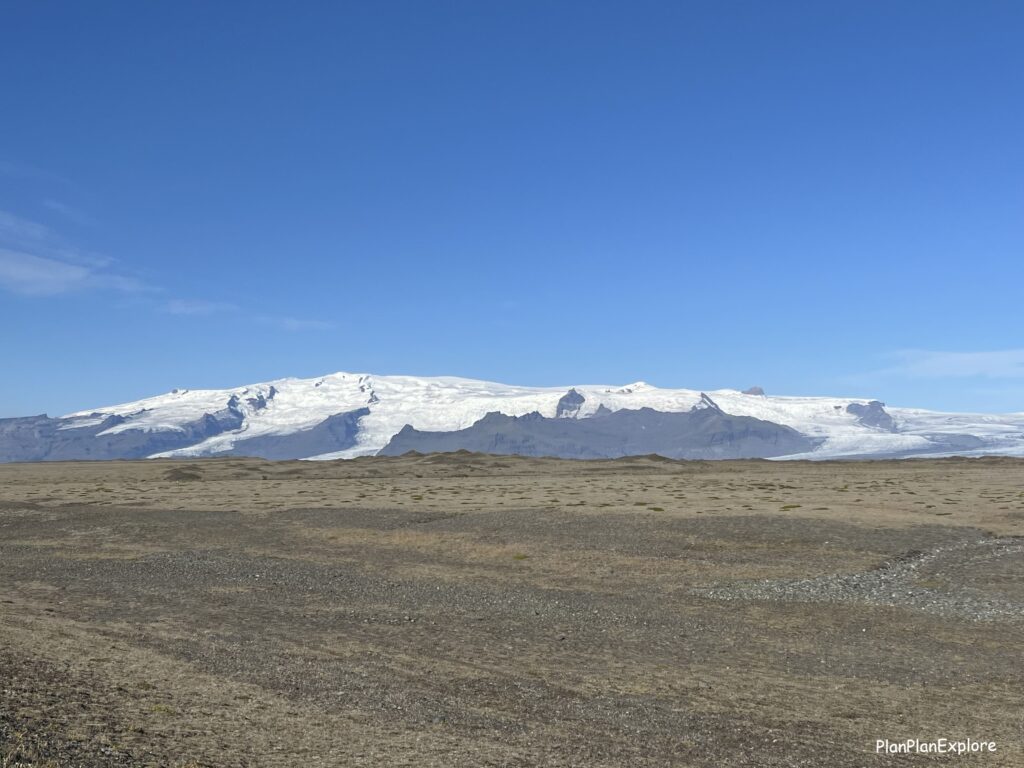
Summer months:
Summer months (May-September) give you the longest days and the warmest weather and with that the most time to visit all the incredible places on your list.
From mid-May through July, you can observe “Midnight Sun”, where the sun barely sets and the days are nice and long.
Temperatures average 50-55 F (10-13 C), with an occasional sunny day in the 60s F. May and September may be a little cooler than that.
June – August also offer access to the mountain roads in the Central Highlands so if you’re planning to hike in that amazing area, that’s the best time to go.
READ THESE GUIDES if you plan to hike in the Highlands:
Transportation from the airport to Reykjavik and into the Highlands is the easiest with buses running frequently, as it’s the busy season for Iceland. More on getting around in Iceland later in this post.
But if your must-do list includes an ice cave, your only two options in the summer are the Katla ice cave and Langjökull ice tunnel, which are open for tours year-round. The popular Blue Ice Cave near Vantnajökull glacier is only accessible between October and March.
Other seasons:
The remaining seasons have cooler temperatures, more chances of snow and inclement weather possibly complicating your travel plans, also less daylight (going down to only 4-6 hours in the winter).
Visiting the Highlands is not possible on your own after mid-September.
Ice caves (like the above-mentioned popular Blue Ice Cave) can usually be visited between October and March, so you’ll be able to do that. Just check in with your tour operator.
However, winter landscapes are just as beautiful as in the summer and offer a unique view of Iceland’s rugged charm!
Both the flight/accommodation prices and the crowds decrease. If you brave the cold, you can still visit most of the attractions around the Ring Road, but keep in mind, winter driving can be a little tricky due to snow and road closures and unpredictable winter weather..
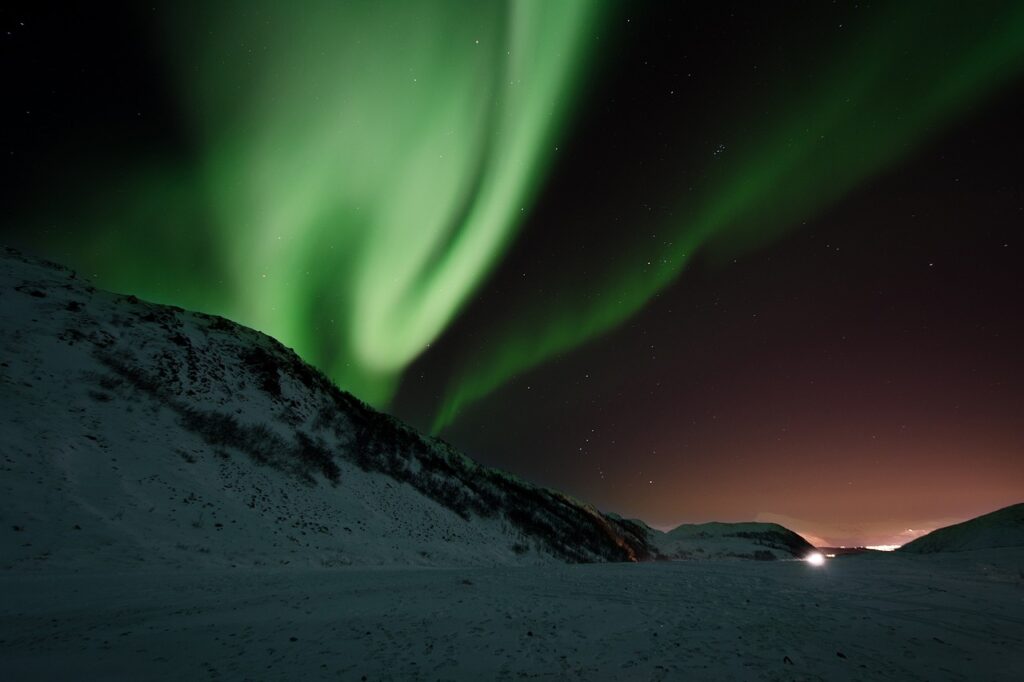
For Northern Lights viewing you have the best chance between September and April, with the most activity observed in September and March. You can venture out on your own or join one of many organized tours.
Entry and passport requirements
There are no visa requirements to enter Iceland from the US or EU countries, however you need to have a passport valid for at least 3 months after the date of entry. 6 months is preferred to be on the safe side.
For up-to-date information check the official website of the Icelandic Directorate of Immigration.
If you’re coming from the US (where I am based), you can also visit the U.S. Dept. of State Website regarding travel to Iceland.
READ MORE: How to Plan a Stopover in Iceland (and What to Do to Make it Epic!)
Tired after the flight – now what?
If your flight arrives very late or very early, before you’re allowed to check in to your accommodation, and you’re worried about driving while tired, now there is a perfect solution available. It’s called “Nap and go” program and it allows you to check in to a participating hotel or a guesthouse near the airport, at a special “Nap’&’Go” rate and catch a few hours of sleep before you start exploring Iceland. Click here for a list of participating locations.
Getting around Iceland:
There are two main options of sightseeing in Iceland. Self-drive or organized tours.
Most people arrive in Iceland by flying to Keflavik International Airport. Once there, you have an option to pick up your rental car or to take a bus to Reykjavik if you’re not planning to drive. Buses arrive at the BSI Bus Terminal in Reykjavik.
Bus transport from the airport:
Take a look at the airport transfer information via Flybus (ticket costs about $28 per adult) or AirportDirect (also about $28) buses. You can also take a public bus #55, operated by Straeto. By far the least expensive option, at about $4-5 per adult.
Your best transportation option to the two popular Highlands destinations (Landmannalaugar and Thórsmörk) from Reykjavik is the Highland Bus.

How to buy bus tickets?
For Flybus you can book your tickets ahead of time online, at the vending machines at Keflavik Airport or directly on the bus.
For AirportDirect you need to make an online reservation.
For Strætó bus within Reykjavik area you buy tickets though a Klapp application or pay cash on the bus: NOTE: per Straeto website bus drivers don’t give cash. Read more about the app and Straeto ticketing process here.
To use Strætó bus outside of the capital (it’s called Countryside) you buy tickets directly on the bus, using a credit/debit card or cash and on this route drivers do give change. Clock here for more information about ticketing for Countryside routes.
For the Highland Bus it’s highly recommended to buy tickets ahead of time online. You can also purchase them at the BSI bus terminal in Reykjavik. There is an option of purchasing tickets direclty on the bus, however you are not guaranteed a seat without an online reservation or an advance purchase. Highland Bus drivers DO NOT ACCEPT CASH, you have to pay with a credit card.
Renting a car in Iceland:
To rent a car in Iceland you have to be 21 years old and have a valid driver’s license from your home country.
Note: most rental car companies require that you have had a driver’s license for at least 1 year.
You do not need an international driver’s license.
There are many car rental companies to choose from, some are located in the airport terminal, some just outside within 3-5 min walk (or you can take the airport shuttle), some will pick you up at the airport and shuttle you to their pick-up location.
We have personal experience with Blue Car Rental and highly recommend them – they offer great cars at good prices and excellent customer service. They are very responsive and accommodating.
Book with Blue Car Rental and get a 5% discount automatically applied to your reservation!

Lava Car Rental is another trustworthy local car rental company offering 5% off your booking – CLICK HERE to get the discount!
If you’d like more choices for your car rental, check out Expedia Cars or Discover Cars – here you can see offers from various companies without having to check individual websites.
What kind of a car to rent?
If you’re planning to only drive the Ring Road (also referred to as Rt. 1 – an easy paved road encompassing the perimeter of Iceland) and other paved roads in the summer, you can rent any car you’d like. You do not need a 4×4 car.
Check our “Taste of Iceland 6-day itinerary” for suggestions of some easily accessible awesome places to see for first time visitors!
Helpful tip: When choosing your rental car, it’s a good idea to look at the cargo space as well as the passenger count. And when it says “suitcases” or “luggage” pay attention if it states “large” or “small”. We did not take that into account our first time around and my kids ended up with a suitcase between them and carry-ons in their laps! We had some laughs about it! Luckily, we only had all our luggage with us on the first and last day of the trip…
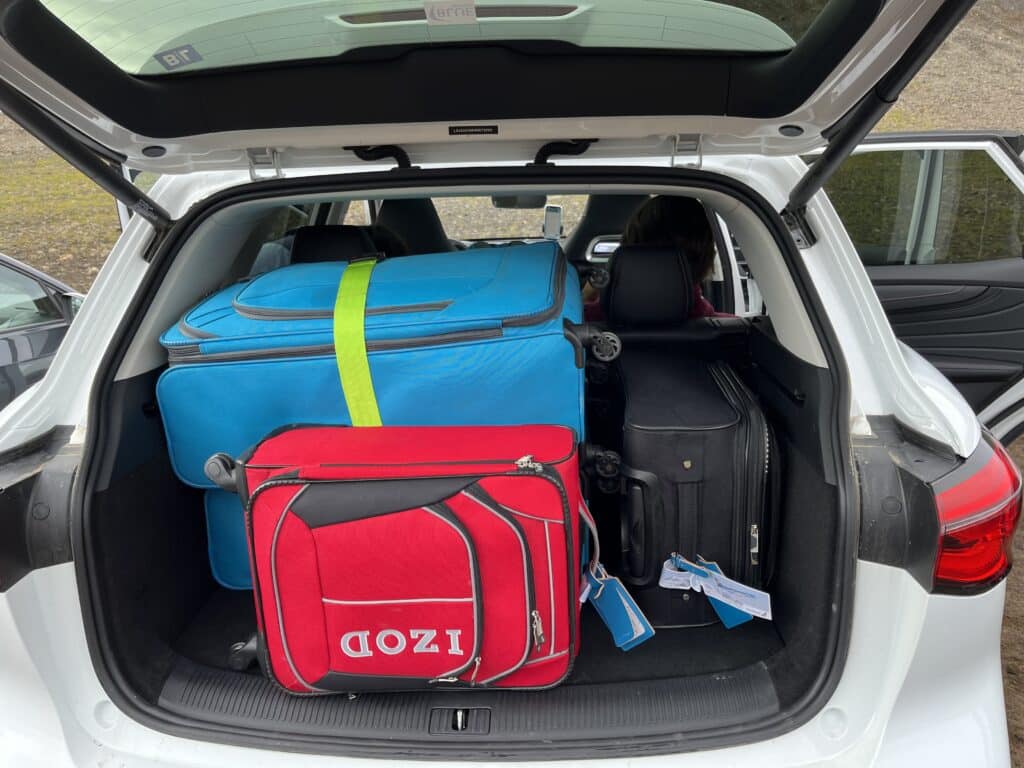
We didn’t check cargo space correctly and had to bring some luggage into the car – lesson learned for our second trip! We packed much lighter!
READ MORE: Renting a Car in Iceland – How to Choose the Right Car for Your Trip.
When do I need a 4×4 vehicle?
If your itinerary includes visiting the Highlands and driving some of the easier F-roads (rougher unpaved roads) leading to the most popular Highland destinations like Kerlingarfjöll or Landmannalaugar, you definitely need a 4×4 SUV with a higher ground clearance, approved on F-roads by your rental company.
Helpful tip: By easier F-roads I mean those with no river crossings. Most rental cars are hybrid, and they are not recommended for river crossings. If you’re planning to go for some more adventurous road trips and ford some rivers, please contact your rental company directly so they can make sure you receive an appropriate vehicle. If you drive an unapproved rental car on F-roads, you automatically forfeit all your insurances in case of any accidents or break downs.
READ MORE: Driving in Iceland – essential tips for a great road trip.
What about a campervan?
Renting a campervan is also an option if you’d like to stay flexible with your itinerary and keep the accommodation budget down.
We have driven around the Ring Road in a campervan during one of our trips and had a great time!
LEARN MORE: Camping in Iceland: a Complete Guide and Tips from My Campervan Adventure.

Here are some of the best-reviewed campervan rental options:
Happy Campers | KuKu Campervan | Go Campers
Read our review here: Happy Campers Iceland: an Honest Review of Our Campervan Experience.
➡️ And if you’d like a van with a panoramic sky roof to watch the Northern Lights from the comfort of your camper, choose Cozy Campers!
Again – make sure it’s a 4×4 campervan if you plan to venture out beyond the paved roads.
Fun fact: there are no trains in Iceland!
Guided tours
If you’re not planning to rent a car, tours are a great option to see all the must-see places of your Iceland trip itinerary. Most tours depart from Reykjavik and even offer hotel pick up. You can visit just about anywhere with a guided tour – national parks, glacier lagoons, the Golden Circle – even the Highlands. There are also specific Northern Lights tours.
It’s a good idea to book your tours early, as some of the most popular ones sell out quick.
Check prices and availability of tours in Iceland here.
READ MORE: How to See Iceland Without a Car: Best Tours and + Itinerary.
Where to stay in Iceland:
When it comes to deciding on the kind of accommodation for your stay in Iceland, you have so many choices!
You can choose from guesthouses and apartments, hotels, hostels and campgrounds.
Where you decide to stay will largely depend on whether you will rent a car or not.
Without a rental car:
If you’re not planning to rent a car and will be relying on tours your best bet is to stay in Reykjavik. Most tour operators pick up from hotels/guesthouses or from an easily accessible central location like BSI Bus Terminal.
To find hotels in Reykjavik click here or search on the map below:
If you have a rental car:
If you’re planning explore Iceland on your own, your options expand considerably.
You can still choose a guesthouse, a hotel or a hostel in Reykjavik, however if your itinerary involves mostly sightseeing outside of town, I strongly recommend that you rent something just outside the city center. That will most likely get you more space for a lower price and free parking (which isn’t always a case in Reykjavik). It may also be more convenient for driving to popular destinations, like the Golden Circle or the South Coast of Iceland.

Some guesthouses look really simple from outside but inside they are very comfortable!
This is Selfell guesthouse in Kalfafel, Iceland.
During our first trip to Iceland, we stayed at Icelandic Apartments in Kópavogur, a suburb about 15 min. away from Reykjavik center and we absolutely loved it. It was about half the price of a similar apartment in Reykjavik, conveniently located near Rt. 1, a gas station and a Bonus supermarket (more on grocery shopping in Iceland later in the post.)
For trips to the Golden Circle and the South Coast, staying in Selfoss or Hella is also a great option.
During our second trip to Iceland, we spent a few nights at BSG Apartments guesthouse in Selfoss and also had a great experience. They offer a 3-bedroom apartment (where we stayed) and a completely separate double room. Both options have a kitchen, which is a huge plus.
Helpful tip: I highly recommend that you rent a place with a kitchen or at least a kitchenette. Making your own breakfast will save you time and hassle in the morning. Packing your lunch and just having dinner out or buying lunch and coming home for dinner will help your wallet immensely! Going out to eat in Iceland is expensive and keeping it at one meal out a day will still allow you to try some Icelandic cuisine while not breaking the travel budget.
For a little more budget friendly options, hostels are a great choice if you don’t mind a shared bathroom and common spaces.
Staying at a farm is also a fantastic way to experience more of everyday life in Iceland. We had a lot of fun at the Prestshús 2 Guesthouse in Vik and spending a night at the Möðrudalur/Fjalladýrð farm near Lake Mývatn area was an absolute treat.
Helpful tip: Book your accommodations early! Especially if you’re a larger group. The farther away from Reykjavik you go, the scarcer your options become. At least for the reasonably priced ones. Give yourself at least 6 months to book, more if you’re able to. Most places will have a free cancellation option to allow for some travel plan changes and adjustments.
Check Vrbo.com, Expedia.com or Booking.com for reservations and availability of different kinds of accommodations.
The only option that gives you total flexibility and does not require advanced reservations is camping – either in a tent or in a campervan.
LEARN MORE: Iceland Accommodation Explained: What to Know Before You Book.
🎙️ Prefer to listen?
I’ve also covered how to plan your first trip on the Explore Iceland Travel Podcast. Listen to this episode full of practical travel tips for your Iceland adventure!
Grocery shopping in Iceland
The best way to stay on budget in Iceland is to prepare your own meals. Best stores for budget friendly shopping are Bónus and Krónan supermarkets. Nettó and Hagkaup are a little pricier and 10/11 tops the list.
Helpful tip: Check the opening hours of your store! It’s typically 10 am – 8 pm for Bonús or 9 am – 9 pm for Krónan and Nettó, with only some Hagkaup locations open till midnight. 10/11 is your 24/7 option.

No trip to Iceland is valid without at least one shopping trip to Bónus supermarket! Bringing a Bónus shopping bag home is also popular souvenir option 🙂
Helpful tip: Bring your shopping bags – store bags cost extra.
Can I bring food to Iceland?
YES! You can bring food to Iceland, and I strongly recommend doing that. It will save you time and will also help your budget.
To my best knowledge you can bring up to 3 kg of food per passenger, just no raw meat, eggs or milk, however for the most up to date information, visit Iceland Revenue and Customs official website.
For more money-saving tips, read: Iceland on a Budget: All You Need to Know to Plan an Affordable Trip.
How to pack for Iceland?
There is a whole science to packing well for Iceland! The main rule of thumb is that no matter the time of the year, always be prepared for 4 seasons!
And always pack your bathing suit and a quick drying towel. You can visit a hot spring even in the winter.
Weather in Iceland changes often and suddenly – be ready for it!
Check my practical, budget friendly packing list to help you with that task. It also includes suggestions on what food items to bring that have worked best for us during our trips.
VAT tax refund
VAT tax is added to everything you buy in Iceland.
If you buy souvenirs and other items that you’ll take back home (like beautiful Icelandic sweaters or hats) you can get the VAT tax back. Just ask for a tax-free receipt during checkout. You’ll be given a small folder with information about the process. Tuck your receipt inside it and hold onto it till your departure day. You’ll be able to submit it at the “tax free” window at the airport. It takes a few weeks, but you do get some money back. The minimum to spend on one receipt is 12000 ISK.
There is no need to have the items you bought out for inspection. We submitted our receipts each time we visited, and no one ever asked to see the items. They were already in our checked bags!
For more information visit Iceland Revenue and Customs official website.
Travel Insurance
Do you need travel insurance for your trip to Iceland? My answer is a big YES!
We’ve always purchased one for all of our international travels. It came in handy on more than one occasion, covering flight delays/cancellations, lost non-refundable reservations, lost luggage and more. Most policies also include medical expense coverage.
Read my “10-day Iceland Itinerary” article to find out why it’s so important to have travel insurance!
We have personally used Travel Guard for our trips, and the company has come through for us each time.

For more choices and quotes from different companies, just fill out the form below:
Cell phone coverage
Cell service is great in most of the country, however if your carrier has limits on international coverage, it may be worth it to rent a portable wi-fi box with your rental car.
We usually travel as a family of four, so it’s a great option if you have to connect multiple devices.
It’s super helpful with finding directions and sharing those awesome photos from your trip! Most hotels/guesthouses have free wi-fi for guests but when you’re on the road that little box comes really handy.
If you’re a solo traveler or a smaller group, you may want to look into an eSIM, like Airalo, Saily or Sim Local and then decide what would be more cost-effective to keep you connected during your road trip.

No time for a long trip? Book an Iceland stopover – it’s a great way to add a quick visit at no extra airfare cost!
Other useful tips for your Iceland adventure
- self-service gas stations often require a credit/debit card with a pin. Also, a “fill up” option is usually not available at these stations, and you have to select an amount you’d like to charge (not the volume of gas), which makes the process a bit tricky. It’s hard to guess how much gas (and money) it will take at one time, but don’t worry. The amount you enter is a cap – the pump won’t charge more but if less is required, that’s all you’ll pay. If what you entered doesn’t fill up your tank, you simply have to repeat the process.

Yes, this IS a gas station!
This one is located in Aranarstapi on Snæfellsnes Peninsula.
Helpful hint: the rule of thumb in Iceland is to never let your gas gauge drop below a half a tank. Fill up often!
- navigation: some rental cars come with a GPS, and if not, you can just use Google Maps. We relied on it during our trips and had no issues. However, it’s always good to have a backup in the form of a paper map. I highly recommend this Iceland Adventure and Travel Map. It’s good quality, easy to read and – bonus- shows gas stations!
- don’t buy bottled water in Iceland. Tap water is pure glacier water, you can just refill your bottles anywhere. You can also fill up from any stream or a river during your hikes!
- hot water in the showers has a slight (or sometimes stronger, depending on the location) sulfur smell to it. It’s ok, it’s perfectly safe! It may however tarnish your silver jewelry over time, which you can easily clean with any jewelry cleaner when you return home.
- not all parking lots have restrooms – take advantage of them when you can!

Some restrooms in Iceland look like this!
- stores and restaurants open late and close early, so plan your grocery shopping and lunch/dinner breaks carefully!
Helpful tip: gas station restaurants are a great option if everything else is closed. Sometimes it’s the only thing open (or simply available) in the area. The food is usually simple but fresh and tasty, also less expensive. Most gas stations also have a small grocery section where you can get your basics.
- a fun little tidbit – Icelanders love licorice, especially in their sweets! If you’re not a fan, check the ingredients on your chocolate bars!
- Icelanders also believe in common sense – when you’re visiting canyons, waterfalls and cliffs, most of the time you won’t see any barriers preventing you from going too close to the edge. They count on you knowing not to do that. So please be careful and watch your children! And when you do see a warning sign, be sure to obey it!
- Iceland’s emergency phone # is 112. You’ll reach the police, fire and rescue forces.
Helpful safety websites:
– en.vedur.is – your most reliable source for the weather forecast.
– www.road.is – your source for road conditions and closures
– www.safetravel.is – lists road conditions, safety alerts, the app also allows you to check in with your location (which is particularly helpful if you travel solo) and to contact emergency services.
READ MORE: Best Apps for Iceland – What I Use, Love and Recommend!
Now that you know how to plan your first trip to Iceland, check out these Iceland itineraries to get some inspiration!
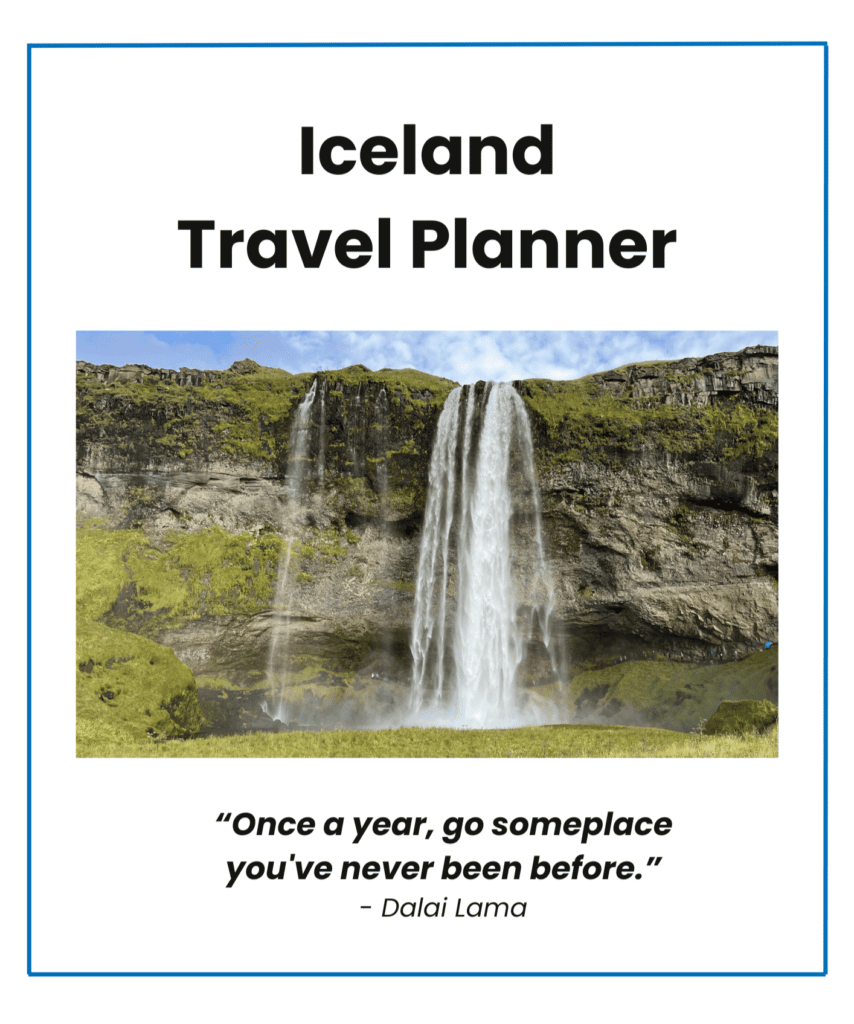
Let me help you plan your trip!
Get organized with this printable, fillable 45-page ICELAND TRAVEL PLANNER – keep track of flights, hotels, tours, daily itineraries and even your trip budget!
BONUS! The planner has journal pages for your memories!
You may also like:
- Seljalandsfoss and Gljúfrabúi – How to Visit Two Stunning Waterfalls
- How to Visit Glaciers in Iceland – Need to Know Facts, Safety Tips and Best Tours.
- Best Glacier Hikes in Iceland – Top Tours + Tips for a Great Experience.
- Best Black Sand Beaches in Iceland – a Practical Guide
- Skógafoss Waterfall – a Complete Guide (+ a Hidden Gem)
- Golden Circle in One Day – Full Guide to the Main Stops and Best Detours
- Snæfellsnes Peninsula – A Complete Guide and Top Things to See
- Reykjadalur Valley – a Beautiful Hike to a Hot River
- Hverir Geothermal Area – a detailed guide + useful tips
For more Iceland inspiration and travel guides click HERE.
Need more help planning your trip? Join my Explore Iceland: Travel Tips & Advice FB Group community to ask questions, share your experiences, plus get expert travel tips and advice from a supportive community of Iceland enthusiasts! Join today!
🎙️ Prefer to listen to the travel guides instead? Check out my Explore Iceland Travel Podcast and easily plan your trip on the go!
About Monika
An avid traveler and a passionate trip planner, mildly obsessed with being organized and prepared 🙂
Well aware of how precious travel time is, I’m here to share my experience and help you get the most out of your vacation time.
“Taking the hassle out of trip planning”